
Brand & Design for Events & Entertainment — The Practitioner’s Playbook.
A focused playbook for Events & Entertainment operators running Brand & Design. Event marketing collapses when the drumbeat starts week-of — the 8-12 week pre-event programme is where the economics actually work. Tickets, hospitality, sponsorship and broadcast are four different audiences and need four different funnels.
Brand & Design for Events & Entertainment is its own discipline.
Six things this playbook covers, end to end.
Full brand book (logo, type, colour, voice, photography)
Tuned to Events & Entertainment — the version we ship to operators in this vertical.
Logo system with mark variations and sub-brand variants
Tuned to Events & Entertainment — the version we ship to operators in this vertical.
Type pairings, scale and usage rules
Tuned to Events & Entertainment — the version we ship to operators in this vertical.
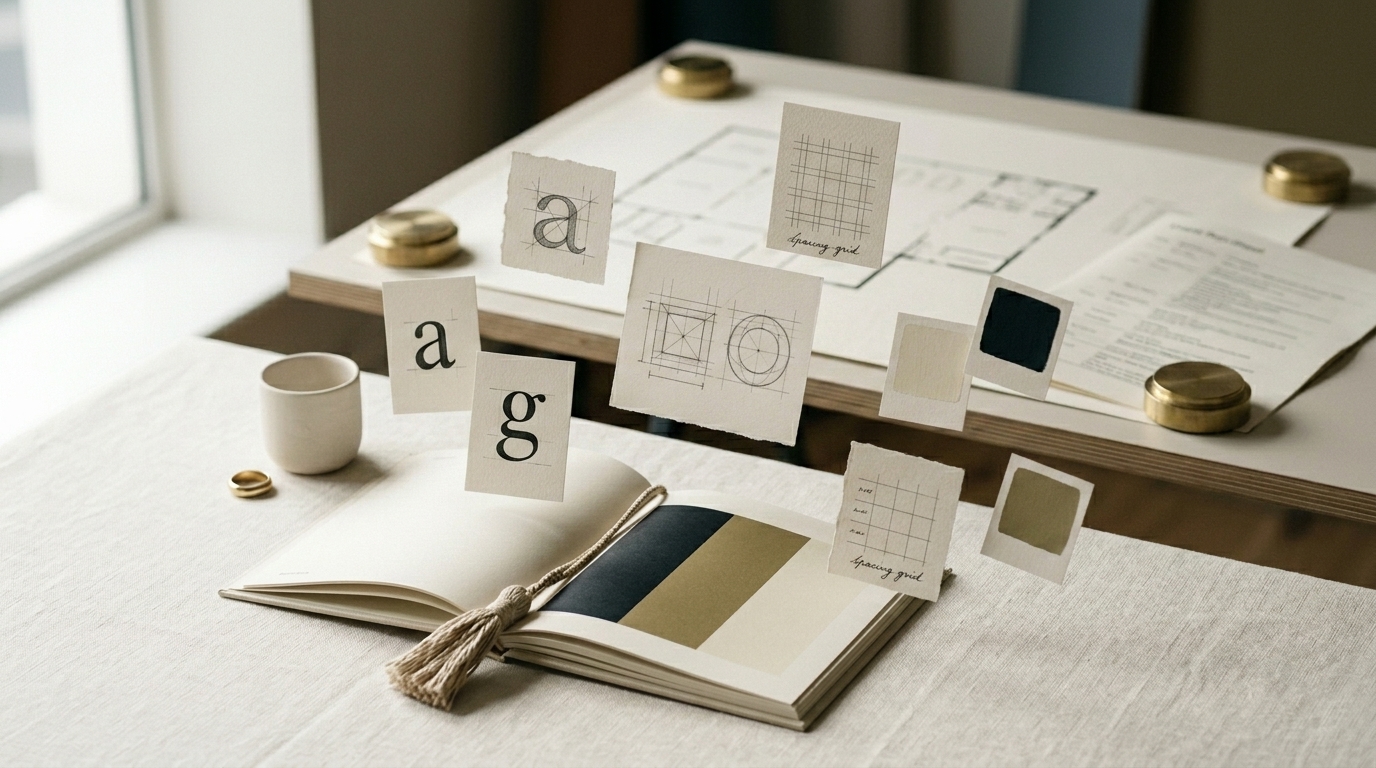
Component tokens (colour, type, spacing) for design + dev
Tuned to Events & Entertainment — the version we ship to operators in this vertical.
Marketing collateral kit (decks, brochures, signage)
Tuned to Events & Entertainment — the version we ship to operators in this vertical.
Photography brief with shot list and art-direction notes
Tuned to Events & Entertainment — the version we ship to operators in this vertical.
SectionHonest reframe
Most brand and design agencies sell wedding venues, photographers, videographers, DJs, bands, caterers, planners, florists, event hire firms and conference venues a Canva-tier rebrand. New logo, three brand colours, a typeface, maybe a one-page style guide. They charge two to four thousand pounds for it, send the PDF, and walk away. The venue or supplier is then expected to produce a year of pricing decks, brochures, on-site signage, supplier-tagged Instagram grids, conference floor plans and Pinterest-ready galleries off the back of a deliverable that doesn't even consider any of those use cases.
This is malpractice in this category, and it shows in the work. Walk any wedding fair, conference centre lobby or supplier showcase and you will see venues with five different visual treatments across their website, brochure, on-site wayfinding and Instagram. Photographers whose Pinterest grid contradicts their pricing PDF. Bands whose tech-rider signage doesn't match the deck they hand the venue manager. DJs running gig posters that bear no relationship to the booking page on their site. Conference venues whose breakout-room signage was clearly designed by a different person, in a different decade, from the website.
The real brand-and-design problem in events and entertainment isn't the logo. It is six things working together, and almost no agency ships all six. First, a real-event photography library that you actually own and can publish, with proper consent on weddings and minors. Second, a multi-event-type visual system with proper separation between wedding mode, corporate mode, private-celebration mode and conference mode, because the buyers, budgets and aesthetics genuinely diverge and a single visual language for all four is a conversion killer. Third, a brochure and price-pack architecture that reflects how couples and corporate planners actually compare shortlists. Fourth, an on-site signage and wayfinding system that extends the brand from screen to physical space. Fifth, supplier-collaboration cross-tagging guidelines so that florists, planners, photographers and bands tag and credit you consistently and the brand compounds across their feeds. Sixth, a production-asset DAM with a consent register so that you can actually find, license and re-publish a piece of real-event footage two years after the fact without ringing the couple's solicitor.
This playbook is the structure. Run it yourself, run it with us part-time, or have us ship it on retainer.
SectionEight-point audit
Score your own brand red, amber or green this week. Three or more reds and you are under-built for this category.
- Real-event photography library with consent register. A live, owned library of real wedding, corporate and private-event photography you have explicit written permission to publish on your website, your social, your portal listings and your sales decks. Couple-permission for every wedding visual, parental consent on minors, model release on featured supplier staff. Most venues run on borrowed photographer galleries with no documented permission and no idea who owns what.
- Multi-event-type visual-system separation. Distinct visual treatments for wedding, corporate, private-celebration and conference modes that share a backbone (mark, palette spine, type pairing) but diverge meaningfully on imagery, layout density, language register and accent palette. One visual language for all four buyers means three out of four feel mis-sold the moment they land on the site.
- Brochure and price-pack architecture. A modular brochure system, not a single 40-page mega-PDF. Wedding brochure, corporate-events brochure, conference brochure, private-celebration price pack, supplier-rate sheet — each on a shared template with replaceable price modules. Most venues are still emailing a 2022 PDF with crossed-out numbers in the margin.
- On-site signage and wayfinding system. Branded wayfinding from car park to ceremony, ceremony to reception, reception to accommodation. Branded conference room signage. Branded toilet, fire-exit and accessibility signage that doesn't look like it was printed at the local Snappy Snaps. Photographers, videographers and bands also need branded on-stage and side-of-stage assets — banner, stage backdrop, booth flag, music-stand fronts.
- Supplier-collaboration brand-cross-tagging guidelines. A one-page guideline you give every supplier you work with — photographers, florists, planners, bands, DJs, hire firms, caterers — that specifies how to tag, credit and visual-treat shared content. Hashtag, Instagram tag, photographer-credit format, embargo windows, gallery-watermark policy, link-in-bio cross-promotion. Without this, supplier feeds compound someone else's brand instead of yours.
- Pinterest-priority visual content standards. Pinterest is the dominant top-of-funnel research surface for couples and private-celebration hosts. Pinterest-priority means vertical 2:3 ratio, embedded title overlay on the lead image, alt text written for search, board structure that mirrors your booking categories. Most venues post horizontal Instagram squares to Pinterest as an afterthought.
- Brand voice and tone documented for the romantic / corporate split. Wedding language is warm, sensory, second-person, story-driven. Corporate and conference language is precise, capacity-led, logistics-forward, third-person where appropriate. A single brand voice across both is either too soft for the corporate buyer or too clinical for the couple. Document the split with examples.
- Production-asset DAM with consent register. A digital asset management system that holds the master brand files, the live photography library, the per-event consent records, the supplier-credit metadata and the publish-history log. Searchable by event date, supplier, room, season, ceremony type. Most venues store this on the marketing manager's MacBook, which is one resignation away from a brand reset.
Score honestly. Three or more reds, fix the foundation before any new logo work, paid social or rebrand.
SectionSix deliverables
Real-event photography library. A curated, consented, metadata-tagged library of real wedding, corporate and private-event imagery you actually own. Per-event shoot brief that aligns the contracted photographer to your visual system, written couple consent and parental consent on minors at the point of booking, model release on featured supplier staff, clear deliverable format (RAW + edited JPEG + web-optimised AVIF / WebP). Outputs land in the DAM with structured metadata — date, venue area, ceremony type, season, supplier credits, consent status, publish permission. Fortnightly publish cadence onto the website, portal listings and social. Time to first signal: 30 days.
Multi-event-type visual system. Wedding, corporate, private-celebration and conference modes sharing a brand backbone but diverging on imagery, density, register and accent palette. Each mode ships with its own page templates, social templates, brochure spread, signage spec and email signature. A single source-of-truth visual-system document — palette spine, accent splits, type pairings, photography direction per mode, layout grid, do's and don'ts — that any contracted designer can pick up and ship from.
Brochure and price-pack architecture. Modular InDesign or Affymetrix system with shared masters and per-product price modules. Wedding brochure (28–36pp), corporate-events brochure (16–20pp), conference brochure (12–16pp), private-celebration price pack (8–12pp), supplier-rate sheet (4pp). Replaceable price modules so that an annual price update is a half-day job, not a six-week rebuild. Per-buyer FAQ pages, real-event case-study spreads, accommodation and transport modules. Print-ready and digital-ready exports from the same source. Time to first signal: 45 days.
On-site signage and wayfinding. Full signage audit and rebuild — car park, ceremony entrance, reception, breakout rooms, accommodation, accessibility routes, fire exits, toilets, supplier load-in. Branded vinyls, A-frames, easels, room flags and stage backdrops in a shared visual treatment that matches the website and brochure. For photographers, videographers, bands, DJs and event-hire firms, a portable signage kit — banner, booth flag, music-stand fronts, stage skirt, branded gobos where relevant. Owned spec sheets for the local print supplier so you can reorder without paying a designer's day-rate every time.
Supplier-collaboration brand guidelines. A one-page (front-and-back) guideline issued to every supplier you work with. Hashtag, Instagram tag, Pinterest pin format, photographer-credit attribution, gallery-watermark policy, embargo windows, brand-asset request channel. Plus a quarterly supplier-spotlight content slot where you publish their work properly tagged and they reciprocate. The compound effect over twelve months is a 20–40% lift in branded mention volume across supplier feeds without paying for a single influencer post.
Production DAM with consent register. A managed digital asset management environment — owned, exportable, searchable by event date, room, supplier, ceremony type, season and consent status. Per-asset metadata: shoot date, photographer, supplier credits, couple consent status (signed, pending, declined), parental consent on minors, model release on staff, expiry / review dates, publish history (where the asset has been used). Quarterly consent review so that a couple who asked for removal in 2027 doesn't surface in your 2030 brochure. The DAM is the legal and operational backbone of everything else in this list.
SectionWhat to do this week
Three actions, ranked by leverage.
- Open your last 10 published galleries and check consent. Owner: founder or marketing manager. Time: 30 minutes. Take the last 10 weddings, corporate events or private celebrations you've published on your website or social. For each one, find the written consent on file. Couple consent for the wedding, parental consent for any minor in the frame, model release for featured staff, photographer licence terms. If you can't find written consent for more than two of the ten, you have a legal exposure problem before you have a brand problem. Document it, fix it, then move to the brand work.
- Print your wedding brochure, corporate brochure and one piece of on-site signage and lay them on a table. Owner: founder. Time: 20 minutes. Stand back. If the three artefacts look like they came from three different companies, your visual system has failed and your buyers are noticing. Photograph the table, mark up the inconsistencies — palette drift, type drift, photography style mismatch, layout density mismatch, voice mismatch — and you have your audit punchlist.
- Decide DIY, DWY or DFY for the next 90 days. DIY: take the eight-point audit, the visual-system spec and the consent-register template, run it in-house with a marketing manager and a contracted designer. DWY: book the coaching plan at £750/month and have a senior practitioner review your team's brand, brochure and content cadence weekly. DFY: book a two-week embedded sprint at £3,000 fixed for Q1-peak preparation or a new venue / new property launch, then continue on retainer for the rolling visual-system, signage and DAM work.
SectionFive questions
What's the actual ROI on a real-event photography library? Wedding venues that publish a properly consented, properly tagged real-event gallery a fortnight typically see a 30–60% lift in enquiry-to-show-round conversion within twelve months, because couples self-qualify on the imagery before the form. Photographers and planners see Pinterest impressions compound from low thousands to mid-five-figures monthly over the same window. The library is also the asset that feeds Bridebook, Hitched, Guides for Brides, your Instagram, your Pinterest and your brochure simultaneously — so it amortises across at least six channels. The cost of building it well (£8–15k for a venue, £3–6k for a single-supplier business) typically returns within two to four bookings.
Why do we need a separate visual system for wedding versus corporate versus conference? Won't one good brand do all three? No, and the buyers will tell you so the moment they land on a site that gets it wrong. A bride looking at your wedding brochure does not want to see capacity tables and AV-rider footnotes. A conference planner looking at your corporate brochure does not want to see flower-girl shots and humanist-celebrant sample scripts. The brand backbone (mark, palette spine, type pairing, voice rules) stays consistent — it's recognisably one company. But the imagery, layout density, accent palette and language register diverge meaningfully per buyer mode, so each buyer feels you are speaking to them specifically. The cost differential between a one-size-fits-all rebrand and a properly-separated multi-mode visual system is roughly 30–40%, and the conversion uplift on the underserved buyer modes is typically multiples of that.
Will a price-pack template actually convert better than a custom quote? In most cases, yes — and the cases where a custom quote outperforms a price pack are usually corporate buyers above £25k room hire and bespoke private celebrations, where the buyer expects a tailored response. For wedding venues at the £8–20k typical day-rate, a properly-architected price pack that reflects how couples shortlist (capacity band, inclusion bundle, season, day of week) lifts enquiry-to-show-round conversion by 20–40% because it does the qualification work before the call. The shortlist behaviour on Bridebook and Hitched has trained couples to expect a price pack in the first email reply; venues that withhold pricing in 2026 routinely lose to faster, more transparent competitors. Build the pack, build the FAQ, and reserve the custom quote for genuinely bespoke briefs.
Is the on-site signage really worth investing in if guests only see it for a day? Yes, for two reasons. First, branded signage is the most photographed asset on a wedding day after the couple themselves — guest social posts, photographer detail shots, videographer reels and supplier-feed cross-posts all feature it. A single wedding can produce 40–80 supplier-feed and guest-feed posts that include your wayfinding signage, the welcome board, the bar signage and the table numbers. Each of those is free brand exposure to a self-selecting audience of likely future bookers. Second, signage is the moment your brand crosses from screen to physical space. A bride who has been on your website for six months and sees the same visual treatment on the welcome board, the order of service, the bar menu and the room signage feels the brand is real. A bride who sees the website treatment on screen and a different look on the day feels mis-sold. The investment is typically £2–5k for a venue's full signage system, refreshed every three to five years.
Can we run this ourselves with the playbook plus the £750 audit? Yes. The eight-point audit, the visual-system spec, the brochure architecture and the consent-register template are designed to be runnable in-house by a marketing manager and a contracted designer working at half-week cadence. The piece that's hardest to run alone is the multi-event-type visual-system separation, because the discipline of saying no to drift across four modes is harder than the build itself — most teams collapse the four modes back to one within six months without external review. The £750 audit gives you a written red/amber/green of all eight points, a named-owner / dated next steps list, and a 30-minute review call. The fee is credited toward your first cycle if you sign for DWY or DFY within 30 days.
SectionWhere to go from here
If you want this shipped end-to-end on a productised retainer, book a 30-minute discovery call.
If you'd rather have a senior practitioner reviewing your team's brand, brochure, signage and DAM cadence each week, the coaching plans start at £750/month. The two-week embedded sprint at £3,000 fixed is the right call for Q1-peak preparation in November–December, or for new venue / new property launches that need a complete visual system, signage rebuild and DAM stand-up before the doors open.
Or run it yourself. Eight-point audit, one deliverable a month, twice-quarterly office hours.
Get Brand & Design for Events & Entertainment.
A focused, no-fluff playbook covering the audit, the deliverables, the success signals and the cadence we use when we run this combination for clients. Events & Entertainment-specific from the first page to the last.
No spam. One playbook, one follow-up email a week later asking what landed and what didn’t. Unsubscribe in one click.
Where the playbook ends and the engagement begins.
The framework, free
- The eight-point audit baseline so you can score your own site this week
- The six productised deliverables we ship per cycle, named and explained
- The 30/60/90 fix roadmap so you can plan internal capacity
- The three-way model (DIY / DWY / DFY) and price bands
- The success metrics we track and the time-to-signal canon
- The industry-specific regulators, sub-verticals and trust signals
What requires the call
- Named-client case studies with revenue numbers (NDA-protected)
- Our internal tooling stack and platform vendors (trade-secret)
- The proprietary scoring rubric we use to triage problems
- Specific commercial terms beyond published price bands
- Direct introductions to our partner network
- The post-engagement playbook revisions we ship per cycle
Adjacent combinations operators in this vertical also read.
Brand & Design for Recruitment & Careers
A focused playbook for Recruitment & Careers operators running Brand & Design.
Open the playbook → PLAYBOOKBrand & Design for Combat Sports & Fitness
A focused playbook for Combat Sports & Fitness operators running Brand & Design.
Open the playbook → PLAYBOOKPaid Advertising for Events & Entertainment
A focused playbook for Events & Entertainment operators running Paid Advertising.
Open the playbook → PLAYBOOKLead Generation for Events & Entertainment
A focused playbook for Events & Entertainment operators running Lead Generation.
Open the playbook →Start your Brand & Design for Events & Entertainment programme.
Thirty-minute discovery call, free, no commitment. We’ll send a tailored band before the call and a written proposal within two business days.