
Email Marketing for Eco / Energy / Heating / Solar — The Practitioner’s Playbook.
A focused playbook for Eco / Energy / Heating / Solar operators running Email Marketing. MCS, RECC and TrustMark trust signals are non-negotiable for eco-energy buyers, and most digital marketing programmes ignore them. Solar, ASHP, ground-source, EV chargers and battery storage each behave like a distinct sub-vertical — one-size-fits-all doesn't work.
Email Marketing for Eco / Energy / Heating / Solar is its own discipline.
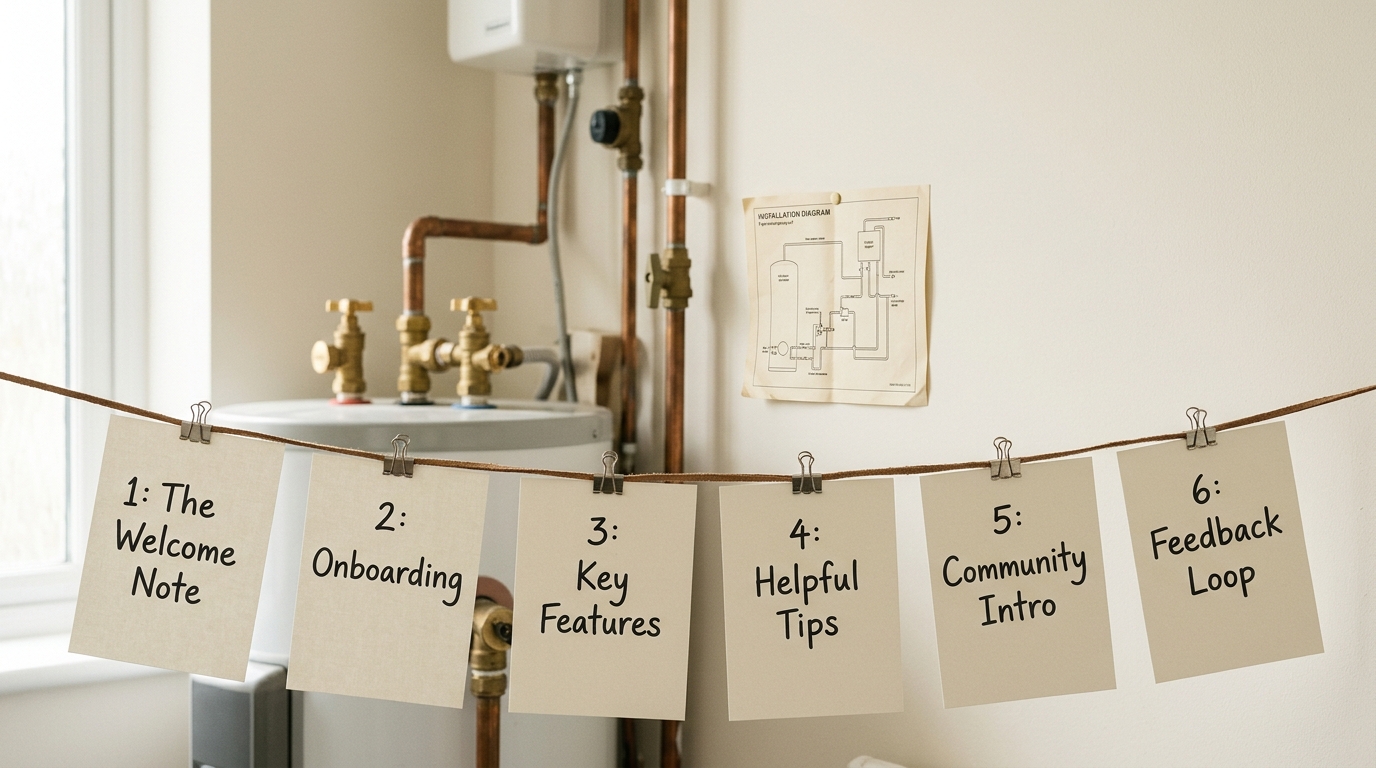
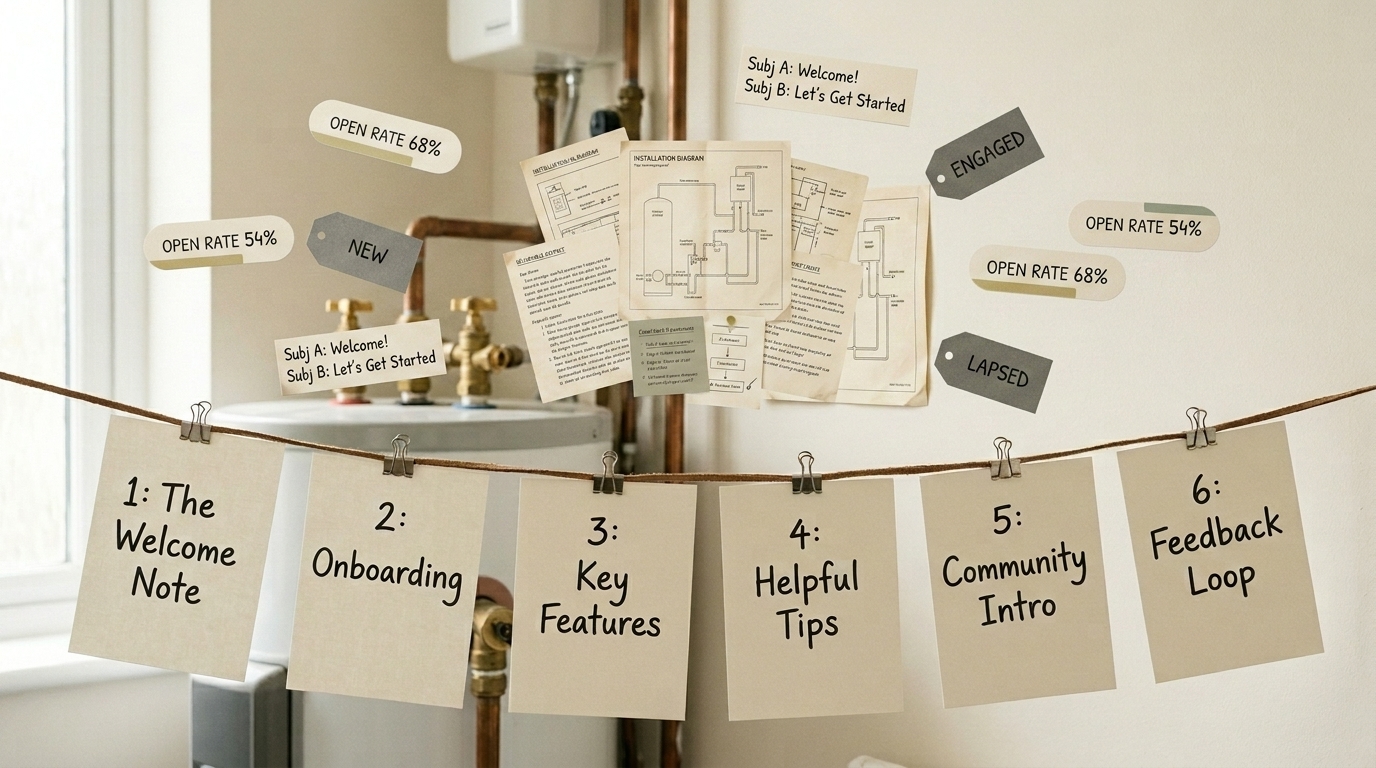
Six things this playbook covers, end to end.
Welcome, nurture and re-engagement sequence design
Tuned to Eco / Energy / Heating / Solar — the version we ship to operators in this vertical.
Lifecycle map with behavioural triggers
Tuned to Eco / Energy / Heating / Solar — the version we ship to operators in this vertical.
Branded mobile-first template kit
Tuned to Eco / Energy / Heating / Solar — the version we ship to operators in this vertical.
Deliverability checklist (SPF, DKIM, DMARC, BIMI)
Tuned to Eco / Energy / Heating / Solar — the version we ship to operators in this vertical.
Segmentation playbook (behavioural / lifecycle / value)
Tuned to Eco / Energy / Heating / Solar — the version we ship to operators in this vertical.
Send-time, subject-line and offer test calendar
Tuned to Eco / Energy / Heating / Solar — the version we ship to operators in this vertical.
SectionHonest reframe
Generic agencies sell eco-energy installers a Mailchimp account, a templated newsletter, and a "blast the whole list every fortnight" cadence that ignores the buyer cycle, the scheme calendar, and the difference between a solar quote-shopper and an ASHP enquirer. Then they invoice for "list growth" and wonder why the open rate sits at 14%, the spam-folder rate creeps north of 3%, and the surveyors say none of the warm leads ever come from email.
Eco-energy buyers are running a 45–90 day decision over £8,000–£20,000 of regulated capital spend. The solar enquirer is comparing inverters, the ASHP enquirer is checking BUS eligibility, the GSHP enquirer is talking to a structural surveyor, the EV-charger enquirer is reading OZEV grant terms, and the battery enquirer is modelling SEG export tariffs. A single undifferentiated newsletter blasted to all of them is not a campaign — it's a deliverability liability and an unsubscribe machine.
Generic agencies skip the parts that actually move revenue: SPF/DKIM/DMARC and BIMI deliverability hardening, sub-vertical segmentation, scheme-window urgency campaigns mapped to BUS/ECO4/GBIS/SEG, a 45–90 day buyer-cycle nurture, a quote-not-yet-converted re-engagement arc, a post-install referral and review sequence, transactional/marketing separation on different domains, and proper suppression and GDPR housekeeping. This playbook fixes all of it. Run it yourself, run it with us, or have us ship it on retainer.
SectionEight-point audit
Score yourself red / amber / green this week.
- SPF, DKIM, DMARC and BIMI deliverability hardening. Authenticated SPF record on the sending domain, DKIM signing on every send, DMARC at minimum
p=quarantine(targetp=rejectonce aligned), and a BIMI record with a verified VMC certificate displaying your logo in Gmail and Apple Mail. If your DMARC is missing or set top=nonewith no aggregate reports being read, your inbox placement is a coin-flip. Generic ESP defaults won't pass scrutiny on Gmail and Yahoo's bulk-sender requirements; you need a hardened setup or your scheme-window send goes to Promotions or worse. - Sub-vertical segmentation across the list. Tagged segments by enquiry technology — solar PV, ASHP, GSHP, EV charging, battery storage, retrofit insulation — captured at form-fill and propagated to every nurture, broadcast, and re-engagement send. A single "renewables newsletter" mailing to a mixed list is a thin-content red flag for engagement-based filters and a wasted opportunity at the inbox. If your ESP shows one master list with no segmentation, the lift from this single fix is typically the largest in the audit.
- Scheme-window urgency campaigns mapped to BUS/ECO4/GBIS/SEG. A pre-built campaign template for each scheme event — BUS uplift announcements, ECO4 phase changes, GBIS rollouts, Home Upgrade Grant rounds, SEG tariff updates — fired two to four weeks ahead of the window with eligibility check, worked example, deadline countdown, and a clear quote-now CTA. If your ESP calendar doesn't contain DESNZ scheme dates, you're sending into the off-season.
- 45–90 day buyer-cycle nurture sequence with engineer commentary. A 7–12 email automated sequence per sub-vertical that fires from initial enquiry through quote, decision, and survey-booked. Engineer-bylined content, install case studies, FAQ answers, scheme eligibility recap, and objection handling at the right week of the cycle. Generic "weekly newsletter" cadence is the wrong shape for a 45–90 day decision; the buyer needs targeted content at week one, week three, week six, week ten.
- Quote-not-yet-converted re-engagement sequence. A separate 4–6 email arc for buyers who got a quote but haven't booked the install — addressing the predictable late-stage objections (financing, install timing, holiday-season disruption, competing-quote anxieties) with named-engineer responses, comparable-property case studies, and a deadline anchor where a scheme window is closing. Without this, your warmest leads silently age out.
- Post-install referral and review sequence. A scheduled post-install arc — install-day thank-you, week-one follow-up, month-one review request (Trustpilot, Google), month-three referral ask with a named referral mechanic, month-six performance check (solar generation summary, ASHP COP), year-one anniversary with add-on offer (battery retrofit, EV charger, solar+ASHP combination). The installed-customer list is the highest-LTV asset on the platform; treating it like a passive newsletter recipient leaves money on the table.
- Transactional vs marketing separation on different sending domains. Quote acknowledgements, survey-booked confirmations, install scheduling, and post-install service emails sent from a transactional subdomain (e.g.
mail.yourdomain.co.uk) on a transactional ESP or relay; marketing newsletters and nurture sequences sent from a marketing subdomain (e.g.news.yourdomain.co.uk) on the marketing ESP. If both flow through the same domain and one marketing reputation hit drags the transactional inbox placement, your survey confirmations land in spam and the installer chases the buyer twice. Separation is a one-day DNS and ESP setup with permanent deliverability dividends. - Suppression and GDPR housekeeping. A documented retention policy, a working unsubscribe at the bottom of every send, suppression list synchronised across ESP, CRM, and any partner-overflow databases, an annual re-permission send to dormant contacts (12+ months no engagement), and a record of lawful basis (consent vs legitimate interest) per contact. If your DPO can't produce a deletion log on request inside 72 hours, you have a regulatory exposure as well as a deliverability one.
Three or more reds — fix the foundation before the next scheme-window send.
SectionSix deliverables
SPF, DKIM, DMARC and BIMI deliverability hardening. Day-one DNS audit and remediation: SPF record with the correct sending sources only (no over-permissive +all), DKIM keys generated and rotated for the marketing and transactional ESPs, DMARC published at p=quarantine with aggregate report monitoring, escalated to p=reject once alignment is verified, and a BIMI record with a verified VMC certificate so your logo appears in Gmail and Apple Mail. Inbox placement testing across Gmail, Outlook 365, Apple Mail, and Yahoo before and after. Time to first signal: 14 days for inbox-placement lift visible in seed-test data.
Sub-vertical segmentation across solar / ASHP / GSHP / EV / battery enquirers. Tagged segments captured at quote-form submission, propagated to every nurture, broadcast and re-engagement send. We map your existing ESP and CRM, design the segment taxonomy, build the form-to-ESP sync, write the migration logic for any historical contacts that need re-tagging, and ship a segmentation dashboard so your marketing manager can see segment health (size, engagement, churn) at a glance. The lift from this single fix is typically the largest single-deliverable lift in the audit. Time to first signal: 30 days from first segmented send.
Scheme-window urgency campaigns mapped to BUS, ECO4, GBIS, Home Upgrade Grant and SEG. A library of pre-built campaign templates for each scheme event, mapped to the DESNZ calendar, fired two to four weeks ahead of each window with eligibility check, worked savings example, named-engineer commentary, deadline countdown, and a clear quote-now CTA routed to the right sub-vertical. Each template ships with subject-line variants for A/B testing, plain-text fallback, and an SMS companion send for the warmest segment. The window is the harvest; the templates make sure you don't miss it.
45–90 day buyer-cycle nurture with engineer-bylined commentary. A 7–12 email automated sequence per sub-vertical, fired from initial enquiry through quote, decision and survey-booked. Engineer-bylined content with MCS number visible, install case studies inline, FAQ answers from sales-call transcripts, scheme eligibility recap, and objection handling at the right week of the cycle (week 1: education, week 3: case study, week 6: financing, week 10: deadline anchor). The post-quote case-study email at day 3 typically lifts conversion 15–25% on its own. Time to first signal: 45 days for first cohort to pass through the full sequence.
Re-engagement and win-back for quoted-not-yet-converted buyers. A separate 4–6 email arc for buyers who got a quote but haven't booked the install — addressing financing, install timing, disruption concerns, and competing-quote anxieties with named-engineer responses, comparable-property case studies, and a deadline anchor where a scheme window is closing. Plus a quarterly win-back send to the broader dormant list (90+ days no engagement) with a re-quote offer or a switch-tech offer (e.g. ASHP add-on for solar customers). Without this, your warmest leads silently age out while the cheapest competitor closes the deal.
Post-install referral and review sequence. A scheduled post-install arc covering install-day thank-you, week-one performance check-in, month-one review request (Trustpilot, Google, MCS-portal), month-three referral ask with a named referral mechanic, month-six performance summary (solar generation against forecast, ASHP COP against quote), and year-one anniversary with an add-on offer (battery retrofit on existing solar, EV charger add-on for ASHP customers, solar+ASHP combination upsell). The installed-customer list is the highest-LTV asset on the platform; this sequence turns a one-time install into a 5–10 year revenue relationship and a reliable referral pipeline. Time to first signal: 30 days for review-rate lift; 90 days for first referral attribution.
Time to first signal: 30 days on two or more.
SectionWhat to do this week
Three actions, ranked by leverage.
- Pull your DMARC report and check your sending policy. Owner: founder or marketing manager. Time: 30 minutes. Run a DMARC lookup on your sending domain (
dig _dmarc.yourdomain.co.uk TXTor any free DMARC checker). If the record is missing, set top=nonewith no aggregate reports being read, or pointing nowhere, this is your single highest-leverage fix. Ship a hardened SPF/DKIM/DMARC stack inside two weeks and watch your inbox placement lift before any other change. - Count your segments. Owner: marketing manager. Time: 15 minutes. Open your ESP and count the segments in active use. If it's one master list, or a handful of legacy tags with no enquiry-technology dimension, your next send is mistargeting four out of five recipients. Add at minimum: solar PV, ASHP, GSHP, EV, battery, retrofit. Tag historical contacts where the original enquiry source is recoverable.
- Decide DIY, DWY or DFY for the next 90 days. Owner: founder. Time: 30-min discovery call. We'll confirm the right way in writing within two business days. See the three ways.
SectionFive questions
What's a realistic deliverability ROI from SPF/DKIM/DMARC/BIMI hardening? Inbox-placement lift on a typical eco-energy installer audit runs 15–35% — i.e. a list of 8,000 contacts where 5,200 inboxes were reachable before lifts to 6,400–7,000 reachable after. On a £6,000 average install and a 1.5% list-to-quote conversion rate, that's roughly an extra 12–18 quotes per scheme-window send, or £8,000–£12,000 of net revenue per send at typical close rates. The hardening is a one-time setup with permanent dividends. The BIMI add-on (verified logo in Gmail and Apple Mail) is the only deliverability investment your competitors mostly aren't making yet — and the open-rate lift from a recognisable logo in inbox is meaningful on cold-segment sends.
What's the segmentation lift in numbers? Sub-vertical segmentation typically lifts open rate 20–40% and click-through rate 50–100% versus the unsegmented baseline, because you're sending content the recipient actually enquired about. On a quote-conversion basis, the lift is more variable but typically 30–60% improvement in quote-to-survey-booked conversion from segmented-nurture cohorts vs unsegmented broadcast. The compounding effect across a year of sends is the largest single pillar lift in this audit. The work to ship it is mid-weight (a one-week ESP and CRM build for most installers); the dividend is permanent.
How do you actually make the scheme-window urgency math pay? The mechanic: each scheme event (BUS uplift, ECO4 phase, GBIS rollout, SEG tariff update) creates a 4–8 week window where homeowner intent spikes. A pre-built campaign template fires two to four weeks ahead with eligibility check, worked savings example, deadline countdown, and a clear quote-now CTA. Typical send-to-quote conversion rate on a well-targeted scheme-window send runs 2–4% on the warm-segment list and 0.5–1.5% on the cold segment. On a list of 6,000 segmented contacts, that's 90–180 fresh quotes per scheme send, against a build cost of roughly half a day per template once the calendar is in place. The window is the harvest; the templates make sure you don't miss it.
We're on Mailchimp / generic ESP X — should we migrate? Probably yes, but the migration target depends on volume and use case. For installers under 10,000 contacts, a Mailchimp or Brevo setup is acceptable provided segmentation, deliverability hardening, and automation depth are configured properly. Above 10,000 contacts or where transactional-vs-marketing separation matters, migrating the marketing list to an ESP with proper deliverability monitoring (Klaviyo, Customer.io, ActiveCampaign tier-pro, or a self-hosted option) and the transactional flows to a separate relay (Postmark, SendGrid transactional tier, or AWS SES) is the right architecture. We run the migration as a 30–60 day project with full DNS, IP-warming, list-clean, and parallel-run periods. The risk on a botched migration is an inbox-placement collapse that takes weeks to recover from; this is not a job for a generic VA on Fiverr.
Can we run this with the playbook plus £750 question? Yes. The full SPF/DKIM/DMARC/BIMI hardening plus sub-vertical segmentation plus scheme-window template library plus 45–90 day nurture plus re-engagement plus post-install referral sequence is achievable in-house with a marketing manager, a developer half-week for the DNS and ESP build, and an engineer interview cycle for the bylined content. The £750/month coaching plan gives you weekly review of the calendar, the segments, the template builds and the deliverability monitoring, plus access to the campaign-template library and the scheme-window calendar. Credit toward first cycle if you sign for DWY/DFY within 30 days.
SectionWhere to go from here
If you want this shipped end-to-end on a productised retainer, book a 30-minute discovery call. Tailored proposal in writing within two business days.
If you'd rather have a senior practitioner reviewing your segments, deliverability monitoring, and scheme-window templates each week, the coaching plans start at £750/month with rolling cycles and walk-away rights. If you have a hard deadline — an ECO4 window opening, a BUS uplift announcement, a peak-season ASHP push — the two-week embedded sprint lands a senior practitioner inside your ESP, CRM and DNS for ten working days at £3,000 fixed for ECO4-window prep.
Or run it yourself. Read this playbook end to end, run the eight-point audit, ship one deliverable a month for six months. Twice-quarterly office hours are open to anyone using the playbooks — bring your work, get reviewed, no charge.
Get Email Marketing for Eco / Energy / Heating / Solar.
A focused, no-fluff playbook covering the audit, the deliverables, the success signals and the cadence we use when we run this combination for clients. Eco / Energy / Heating / Solar-specific from the first page to the last.
No spam. One playbook, one follow-up email a week later asking what landed and what didn’t. Unsubscribe in one click.
Where the playbook ends and the engagement begins.
The framework, free
- The eight-point audit baseline so you can score your own site this week
- The six productised deliverables we ship per cycle, named and explained
- The 30/60/90 fix roadmap so you can plan internal capacity
- The three-way model (DIY / DWY / DFY) and price bands
- The success metrics we track and the time-to-signal canon
- The industry-specific regulators, sub-verticals and trust signals
What requires the call
- Named-client case studies with revenue numbers (NDA-protected)
- Our internal tooling stack and platform vendors (trade-secret)
- The proprietary scoring rubric we use to triage problems
- Specific commercial terms beyond published price bands
- Direct introductions to our partner network
- The post-engagement playbook revisions we ship per cycle
Adjacent combinations operators in this vertical also read.
Email Marketing for Real Estate & Property
A focused playbook for Real Estate & Property operators running Email Marketing.
Open the playbook → PLAYBOOKEmail Marketing for Trades & Home Services
A focused playbook for Trades & Home Services operators running Email Marketing.
Open the playbook → PLAYBOOKProgrammatic Web Development for Eco / Energy / Heating / Solar
A focused playbook for Eco / Energy / Heating / Solar operators running Programmatic Web Development.
Open the playbook → PLAYBOOKSEO & Organic Growth for Eco / Energy / Heating / Solar
A focused playbook for Eco / Energy / Heating / Solar operators running SEO & Organic Growth.
Open the playbook →Start your Email Marketing for Eco / Energy / Heating / Solar programme.
Thirty-minute discovery call, free, no commitment. We’ll send a tailored band before the call and a written proposal within two business days.